
Understanding what happens when polyps become bowel cancer
Lead researchers: Dr Marco Sciacovelli
Location: University of Liverpool
Grant award: £48,083
Dr Sciacovelli is studying the biological changes between normal bowel, bowel polyps and bowel cancer, to find markers that predict this progression.
The challenge
Most bowel cancers develop from small growths called polyps, but not all polyps become cancerous. Some people will have a higher risk of their polyps developing into a tumour and so need more surveillance (regular check-ups), such as colonoscopies, while others have a lower risk and don’t need as many appointments.
At the moment, it’s difficult to accurately predict which polyps are dangerous. This makes it challenging to tailor surveillance and follow-up care.
The project
Dr Sciacovelli studies how cancer cells use nutrients differently from healthy cells. He’ll look at the changes that occur as normal bowel tissue develops into polyps and eventually bowel cancer, using samples donated by patients.
By measuring different aspects of the cells’ biology as they progress through these stages, he and his team can improve our understanding of how cells change between polyps and tumours. They’ll be looking for things that can be used as markers to predict which polyps are most likely to become cancerous.
What difference will this project make?
Current methods for assessing polyp risk aren’t accurate enough. This research to learn more about the biological changes could lead to a future test that’s better at predicting an individual's chance of their polyps developing into bowel cancer. It would mean people at low risk don’t have to go through unnecessary and invasive procedures, while those at high risk are given proper surveillance to diagnose and treat any bowel cancer promptly.
We’re incredibly grateful to our generous supporter, Matt Elson, who has kindly funded the full cost of this project.
-
For more information see our announcement of the grant
-
Read more about bowel cancer
-
Donate to help make our research possible
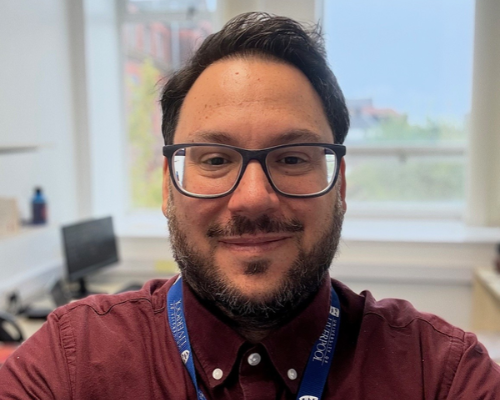
“I am extremely grateful for the support of Bowel Cancer UK. This award is crucial for me to establish and develop my independent research programme investigating the changes in the way bowel cells use nutrients and how they influence the formation of colorectal cancer. By identifying and understanding these alterations, we can find markers for early detection and new possibilities for treatment, finally improving the life of people affected by this disease.”