
Improving access to Lynch syndrome bowel cancer information for everyone
Lead researchers: Dr Charlotte Brooks and Professor Claire Foster
Location: University of Southampton
Grant award: £49,796
Dr Brooks and Professor Foster are reviewing the information given to people with Lynch syndrome to make sure it’s accessible.
The challenge
People with Lynch syndrome have to make lots of complex decisions throughout their life to manage their increased risk of bowel cancer. This includes attending surveillance appointments (regular check-ups), considering preventative treatments and discussing genetic testing with family members. There are information resources to help guide people through these decisions, but they don’t always meet the needs of people with lower health literacy or neurodiverse conditions.
The project
The team will work with people with Lynch syndrome, neurodiverse communities, people with lower health literacy and healthcare professionals to check the existing resource, Lynch Choices™. They’ll review the key messages and how clear or confusing the information is. Together, they’ll create simpler one-page summaries and a short animation to present essential information in more accessible ways.
What difference will this project make?
Everyone should have the opportunity to understand their cancer risk and make informed decisions about their health. Presenting information about Lynch syndrome in a simple format will help anyone who finds the current resources difficult or overwhelming. This has the potential to reduce avoidable inequalities in bowel cancer care, helping more people understand their options and make informed decisions.
-
For more information see our announcement of the grant
-
Read more about Lynch syndrome
-
Donate to help make our research possible
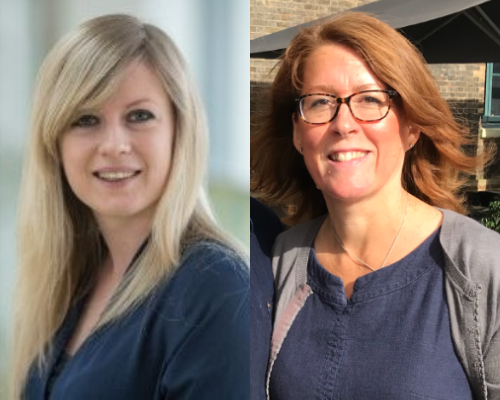
“People with Lynch syndrome face an increased risk of bowel cancer and complex decisions about surveillance and prevention. Working with those affected, we will build on the evidence-based Lynch Choices™ resource to co-design a one-page plain-language summary and short animated explainer for people who find detailed, technical or online information difficult to use, including those with lower health literacy, neurodiverse people and those affected by digital exclusion. Clinically reviewed, accessible information will support understanding, confidence and family and clinical discussions, helping reduce inequalities in screening and outcomes, with potential adaptation for the wider population. We are extremely grateful to Bowel Cancer UK for funding this work and helping make Lynch Choices™ more inclusive and accessible.”