Ben Paton, Hampshire
I was diagnosed with stage 3 bowel cancer on 13 December 2022, aged 41.
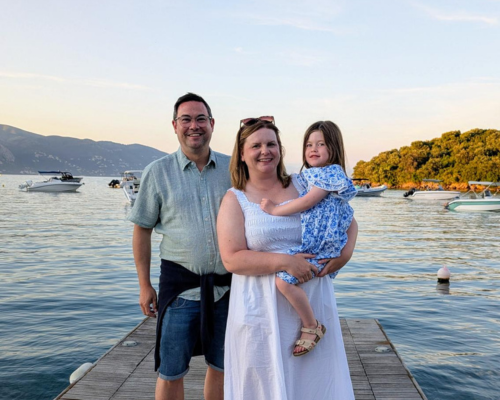
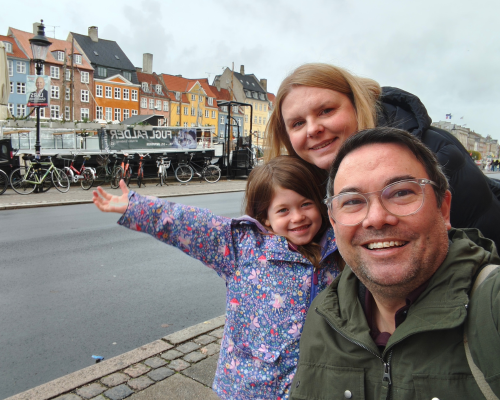
I live in Romsey with my partner and our four-year-old daughter.
I’d had feelings of urgency around using the toilet for several years but thought that was just how my body worked. Then I started bleeding, seeing more blood than you get from aggressive wiping or piles. I kept quiet about it for a month hoping it would go away, but it got worse – to the point I was covering the toilet paper with blood.
I went to my GP. He examined me and could feel the tumour low down in my rectum. I also showed him a photo of the bloody toilet paper. He referred me to Southampton General Hospital. I had an initial appointment, then a colonoscopy and an MRI.
During the colonoscopy, the doctor told me he could see the tumour. A nurse then confirmed it to me after the procedure and explained what would happen next. I was still a bit high from the gas and air and remember asking if they would just sew up my bottom. From seeing my GP to getting the diagnosis, it took a month or two. About another month later I started chemotherapy.
At the time, I felt relieved at the diagnosis, as we now knew what was causing the bleeding. There was only a month from the GP appointment to the colonoscopy, so I felt the doctors had found the cause quickly. I wasn’t really thinking about the long term or what it might mean. I was just concentrating on what the next step was. Seeing the word ‘cancer’ for the first time was a bit of a shock but I was determined to get on with treatment.
I had 12 rounds of chemotherapy. It made me feel like I was 80 years old, but I kept working through it, only taking four days off after each round. Then I had 25 rounds of radiotherapy. That started off fine but by the end I was needing two Imodium a day and still having accidents.
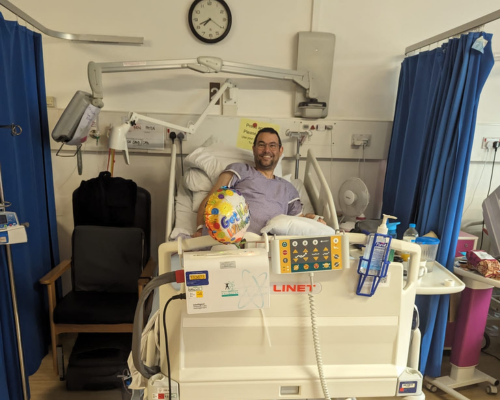
The chemo and radiotherapy shrank my tumour from 4cm to 3cm, which made surgery possible. I was given two weeks’ notice for abdominoperineal resection (APR) surgery. This removed my anus, rectum, and part of my large intestine, and I now have a permanent colostomy.
After surgery, I had four rounds of ‘clean-up’ chemotherapy. The second round made me very sick, so we stopped after that. All this treatment happened in 2023.
I’m now in the five-year monitoring programme following treatment, which means twice yearly CEA blood tests, and CT scans and colonoscopies on alternative years.
This whole experience has changed my world view. I feel lucky to be alive and grateful to the NHS for the treatment that’s given me more time with my daughter. I feel I’ve been given a gift – the chance to see her grow up. If money wasn’t an issue, I’d spend my days supporting other people with cancer. I’ve even thought about doing training in counselling, so I’d be better prepared to help people.
The team at Southampton General hospital were very supportive. I was given a nurse specialist who saw me after my colonoscopy, and she stayed with me throughout most of my treatment.
My family were there for me, and I kept working through much of my treatment. I posted some updates on Facebook and there was overwhelming support from friends and people I’ve not heard from in a long time. B&Q as an employer supported me through this period allowing me to have appointments to attend chemotherapy and radiotherapy without using annual leave or sick leave. When it came to the APR surgery and follow-up chemo, I was lucky as due to my long service I could take six months off with fully paid leave. I ended up taking five months off work.
I don’t think I knew about Bowel Cancer UK’s services at the time, but then you are overloaded with information when you are diagnosed. I did listen to the Bowel Babe podcast during treatment. Even though Dame Deborah James had sadly passed away, hearing her talk about bowel cancer helped me face the reality of it.
I want to encourage people not to ignore symptoms and to see their GP if something isn’t right. Since surgery I’ve also developed a hernia, which has shown me how important support belts are for people with colostomies. Better communication about that would really help patients.
Don’t sit on symptoms. Get them checked. If I’d ignored mine, I might not be here.