Paul Mitchell, Middlesex
From my point of view, my life was healthy and active until 2017, two years after I had retired at the age of 60. I had very few health problems, stayed fit, never smoked, and attended regular health checks, all of which were normal. I had no reason to think I was at risk of developing cancer.
Everything changed in January 2017 when I suddenly collapsed at home, lost consciousness, and experienced severe bleeding. It was a frightening experience for both me and my wife, Theresa. Although I was admitted to hospital and later had a colonoscopy, I was told everything was clear and that there was nothing to worry about. Looking back, I believe this was a missed opportunity. During the following months I developed several unusual symptoms, including low iron levels, painful urination, abnormal liver blood tests, and significant weight loss, but no one connected these warning signs together. I trusted the medical advice I received, but in hindsight I wish I had pushed harder for further investigations and a second opinion.
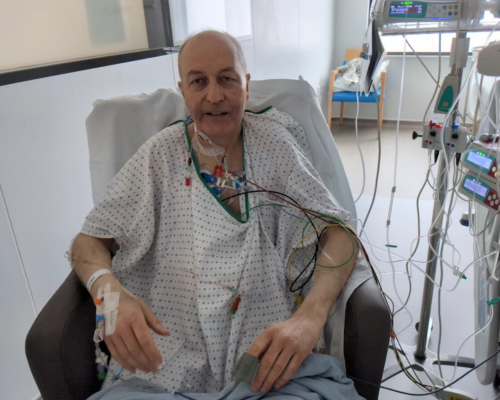
At the end of 2017 a CT scan finally revealed a suspicious lump in my pelvis. After delays to the diagnosing process, in February 2018 I was diagnosed with stage 4 bowel cancer that had already spread to my liver. Although hearing the diagnosis was devastating, I also felt relieved because I finally had a specialist team taking responsibility for my treatment. I underwent surgery to remove the primary tumour and part of my bowel and bladder, followed by chemotherapy.
Since then, my life has focused on managing the cancer rather than curing it completely. Over more than eight years I’ve had 88 chemotherapy treatments, five liver ablations and three liver operations. I’m due to have stereotactic ablative radiotherapy treatment (SABR) in the near future. Although new liver tumours have continued to appear, the cancer has remained slow growing and hasn’t spread beyond my liver. Advances in treatment, combined with the skill of my medical team, have allowed me to live much longer and with a better quality of life than I ever expected when I was first diagnosed.
I’ve tolerated treatment reasonably well, despite the physical and emotional challenges. Recovery from surgery has sometimes been difficult, but I’ve remained determined to keep living as normally as possible. I believe having an experienced, coordinated medical team has made a huge difference to my care.
I also wanted to understand why my cancer hadn’t been diagnosed earlier. I challenged both the hospital and my GP practice about this, and discussions I’ve had with them have led to changes in referral procedures and improvements. I hope this will help future patients avoid similar delays.
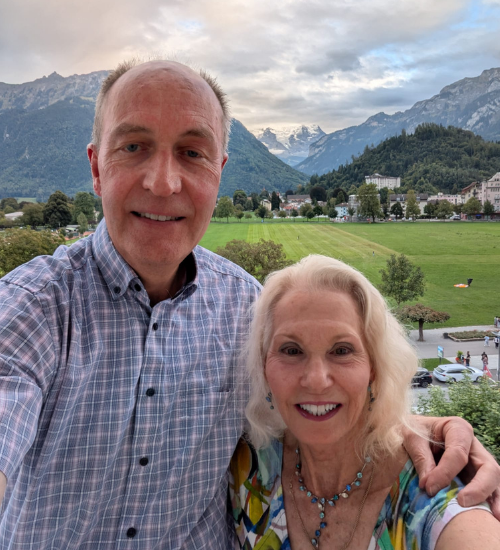
Throughout this journey, my greatest source of strength has been my wife, whose love and support have never wavered. Support from family and friends has also meant a great deal. I stay positive by keeping active, travelling, playing golf, following current affairs, playing chess, and fantasy football, and carefully tracking my own treatment. Although cancer has become part of my life, it hasn’t defined it.
I continue to focus on living well, making the most of every day and remaining hopeful about the future.